

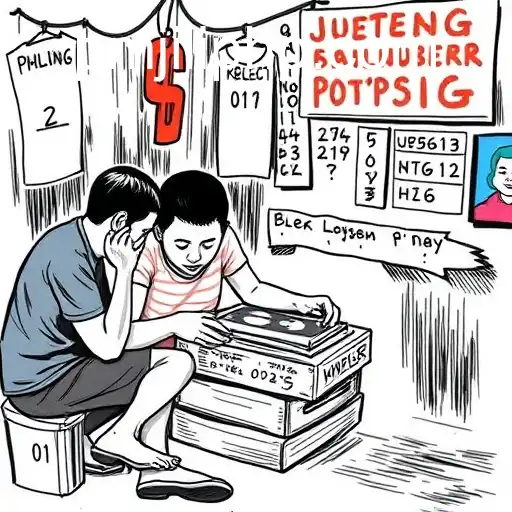

Jueteng, a popular yet illicit numbers game in the Philippines, has long been a shadowy part of the country’s culture and economy. Despite numerous efforts by authorities to curb its influence, Jueteng remains deeply entrenched in the socio-economic fabric of many Filipino communities. While vices like gambling often exist at the fringes of society, Jueteng occupies a unique place in its ability to intertwine with everyday life, politics, and now, even modern technology through platforms such as PMJiLi.COM.
Jueteng originated from the Chinese characters “hue” meaning flower, and “teng” indicating bets, showcasing the game’s multicultural roots. Traditionally, it involves players placing bets on two-number combinations ranging from 01 to 37. Each number is symbolically tied to a certain object, event, or even a dream about a situation, creating a superstitious aura around the game.
In a typical Jueteng draw, numbers are drawn from a set, usually executed with little fanfare in neighborhood settings. It is this level of simplicity and the potential for significant financial rewards from modest bets that have made Jueteng a mainstay in many localities. However, this beloved pastime is illegal under Philippine law, classified as an unlawful numbers game since it operates outside the legal gambling framework set by the authorities.
Jueteng’s reach extends beyond betting; it often serves as a microcosm of larger societal issues. Politically, it has been linked with corruption and power plays as local officials are frequently alleged to receive payoffs from Jueteng operators to turn a blind eye to its illegal operations. This presents a paradox where the very system meant to regulate and prevent such activities becomes part of the enabling machinery.
Socially, Jueteng operates with an intricate network often referred to as the “Jueteng pyramid.” At the top of this pyramid are the financiers who bankroll operations, followed by the operators managing everyday logistics. Collectors form the base, who go door-to-door to collect bets from players. This community involvement, while fostering economic activity, raises ethical concerns about the perpetuation of reliance on gambling as an informal financial safety net.
In recent years, technological advancements have transformed many traditional industries, and Jueteng is no exception. Online platforms like PMJiLi.COM have revolutionized illegal numbers games by providing a digital space for these activities that have historically been bound to physical locations.
PMJiLi.COM represents a sophisticated evolution of the tradition, catering not only to native players but also appealing to a wider audience. These platforms offer a semblance of legitimacy by mimicking the operational aesthetics of legal betting while cleverly bypassing regulatory safeguards. The anonymity and accessibility provided by such sites make them difficult to police, despite efforts by authorities to monitor internet-based gambling activities.
The economic implications of Jueteng remain significant. For many Filipinos in low-income communities, Jueteng represents a double-edged sword. Its potential financial rewards can provide much-needed relief from everyday financial struggles. However, the addictive nature of gambling often leads to financial hardship and social problems, perpetuating cycles of poverty.
Online platforms complicate these dynamics further. With the removal of a physical barrier, gambling becomes even more accessible. While this democratization of access could theoretically expand economic benefits, in reality, it often exacerbates financial vulnerabilities by facilitating habitual behavior without addressing the underlying socio-economic issues.
Historically, approaches to curbing Jueteng have ranged from legal crackdowns to community-based interventions aiming at offering alternative livelihoods. Each method has met with varying degrees of success. However, the shift to online platforms challenges traditional law enforcement methods and requires innovative approaches to policy and regulation.
Governments and regulatory bodies are increasingly aware of the need to adapt. Comprehensive strategies that involve cooperation from international agencies, modern surveillance technologies, and potentially even digital forensics are becoming more prevalent as tools to identify and dismantle the modern landscape of illegal gambling.
While Jueteng remains a contentious issue deeply woven into the societal fabric of the Philippines, its evolution through platforms such as PMJiLi.COM illustrates a broader trend of how traditional practices adapt in the face of modern technology. Addressing its ongoing prevalence requires not only legislative reforms and enforcement but a deeper understanding of the socio-economic contexts that sustain it.
The game’s survival illustrates both the resilience of cultural practices and the need for continuous dialogue among stakeholders to find solutions that account for the complexity of legality, culture, and technology. While Jueteng’s future remains uncertain, its story underscores the importance of vigilance and adaptability in addressing ingrained social challenges.

Explore the captivating game FortunePanda, a thrilling online experience that blends strategy and chance, set against the backdrop of current trends in gaming.

Explore the exhilarating world of WheelMoney, a captivating game brought to you by PMJiLi.COM, embracing an engaging mix of strategy and luck.

Explore the captivating world of FortuneTiger, a popular game from PMJiLi.COM, with insights into its gameplay mechanics, rules, and recent updates.

Dive into the exciting world of FruitRush, a dynamic game brought to you by PMJiLi.COM. Discover its innovative features, engaging gameplay, and strategic opportunities.

Dive into the vibrant and exciting universe of HotRioNightsBonusBuy, exploring its features, gameplay mechanics, and more.

Explore the thrilling world of ArizonaHeist where strategy and excitement meet. Learn about the game's introduction, rules, and unique features.
